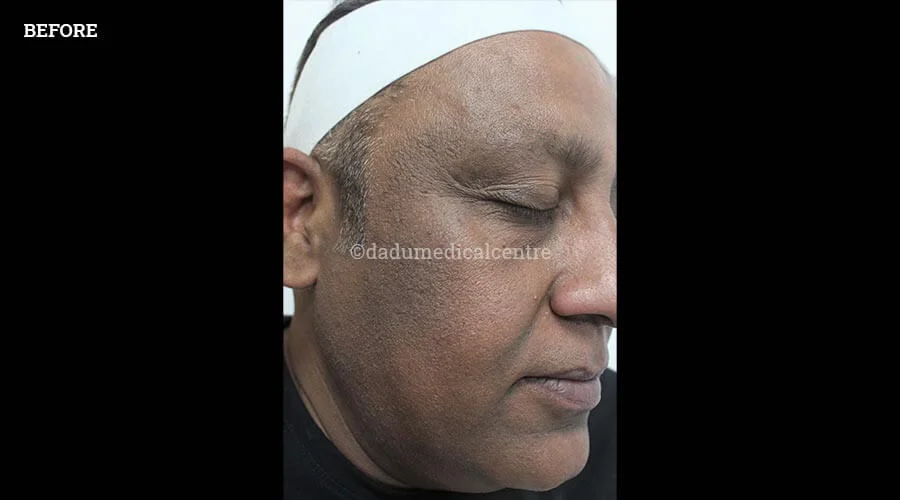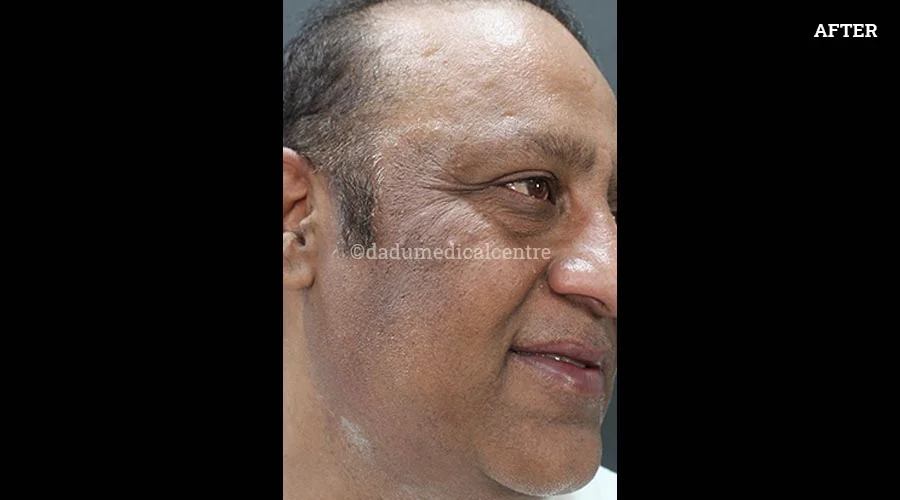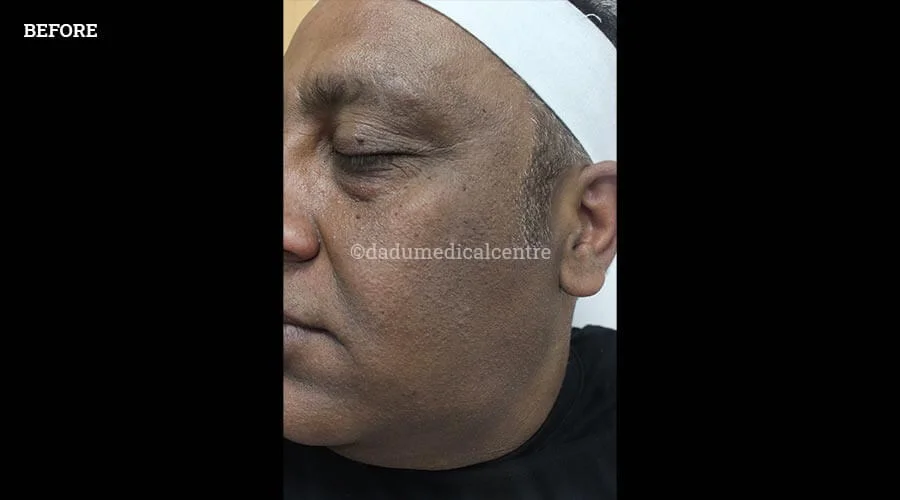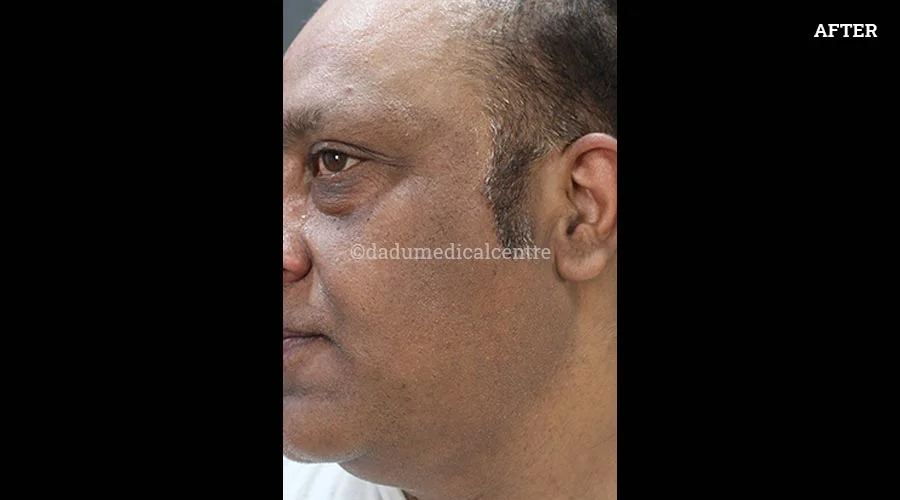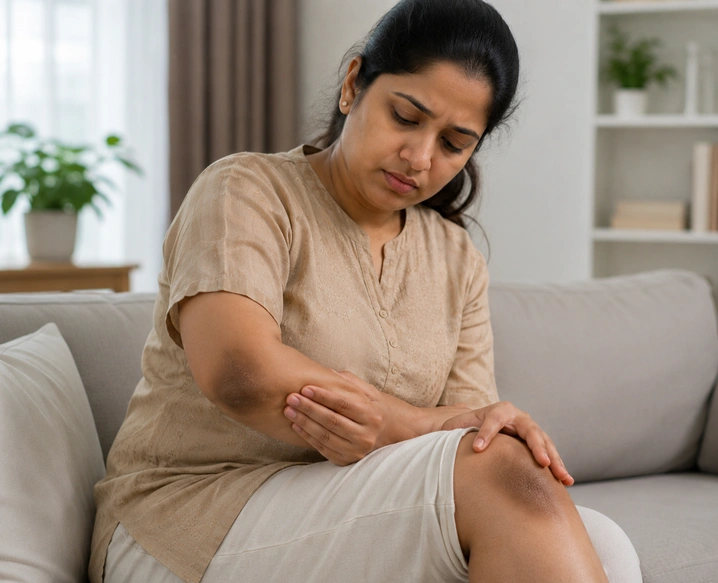
You've scrubbed the back of your neck with a loofah, tried lemon, tried every de-tan pack at the chemist, and that dark band is still sitting there. Here's the thing. It isn't dirt, and it isn't a tan. It's very likely acanthosis nigricans, a skin change that often hints at something going on inside the body, usually around insulin and hormones. At Dadu Medical Centre, acanthosis nigricans treatment works on two fronts at once: lightening the patches you can see, and looking into why they showed up. Dr. Nivedita Dadu and her team handle both, so the results have a better chance of lasting.
Acanthosis nigricans is a condition where the skin in body folds turns darker, thicker and slightly velvety. Run a finger over it and it feels a bit like suede. It isn't contagious, it isn't cancer, and on its own it doesn't hurt.
Some people also notice mild itching, a faint odor, or small skin tags popping up around the dark patches on the neck and underarms. It usually creeps in slowly, which is why many only notice it when someone else points it out. And unless whatever's behind it gets addressed, it tends to stay, or even spread.
In most people, the patches are the skin's reaction to high insulin levels. When there's too much insulin in the blood, it nudges skin cells in the folds to grow faster, and that's what creates the dark, thick texture.
Very rarely, patches that appear suddenly and spread fast in an older adult can point to an internal illness. That's one more reason to have new patches examined rather than guessing.
Since the real cause usually sits inside the body, prevention is mostly about day-to-day habits.
Watch your weight. Losing even a few kilos often softens the patches over a few months.
Move most days. An evening walk, yoga, badminton on weekends. Whatever you'll actually keep up.
Go easy on sugar and maida. Mithai, white bread, cold drinks and packaged snacks all push insulin up.
Get your sugar and thyroid tested. Especially if the patches came up suddenly or you've been told you have PCOD.
Put the loofah down. Scrubbing, bleaching and lemon won't remove the patches, and they often make them darker.
Keep skin folds dry. Loose cotton clothes help a lot in Delhi's humid months.
Ask about your medicines. If you suspect one of them, check with your doctor instead of stopping it on your own.
lifts the rough top layer so dark folds look smoother and lighter.
gradually breaks down deeper pigment on the neck and underarms.
deep exfoliation for darkened, tanned skin on the body and folds.
smooths rough, dull patches and evens out body pigmentation.
an IV drip that supports weight loss, which helps the patches fade and stay away.
an IV drip for women whose dark patches are linked to PCOS.
Book a free consultation, and let our dermatologists get to the bottom of those dark patches.
Get in touch
Acanthosis nigricans is rarely just a skin problem, so treating only the dark patches doesn't get you very far. At Dadu Medical Centre, the first visit looks at the whole picture. Our doctors will check your skin, ask about your weight, your periods, your family history and any medicines you take, and suggest blood tests if you haven't had them recently. Dr. Nivedita Dadu and her team then pair skin treatment with practical advice on food and activity. You'll understand why the patches appeared and what's being done about them. That matters more than it sounds, because once people see the link, they're far more likely to stick with the changes that keep their skin clear.
No. It's a change in the skin itself, which is why scrubbing doesn't take it off. Rubbing hard can actually make it look darker.
Most often it's insulin resistance, which usually goes hand in hand with extra weight, type 2 diabetes or PCOD. Thyroid problems, some medicines and family history can also play a part.
It starts with finding the cause, sometimes through blood tests. Treatment then combines prescription creams, peels or laser toning with changes to diet and activity.
It can. The patches sometimes appear before blood sugar problems are diagnosed, so getting tested is a sensible next step.
For many people they fade noticeably once the underlying cause is under control. How much they clear varies from person to person.
Some lightening often shows within a few weeks. Real change usually takes a few months, especially while weight or sugar levels are still being worked on.
Very little. Mild redness or light peeling for a few days is normal. Wear sunscreen and don't scrub the area while it heals.
Yes, if the cause returns. Putting weight back on or letting sugar levels slip often brings the patches back.
Yes, and it's being seen more often in overweight kids. It's worth getting their sugar levels checked and showing the patches to a dermatologist.
Not really. They can irritate the skin and leave it darker, and they don't touch the actual cause.
Book a free consultation, and let our dermatologists get to the bottom of those dark patches.
Dr. Nivedita Dadu talks through why these dark velvety patches show up, what insulin and hormones have to do with it, and what actually helps them fade.
A-2/6, Vasant Vihar, New Delhi - 110057
+91 98109 77786 / +91 96677 21501
J-12/28, 1st Floor, Near Rajouri Garden Metro Station, New Delhi - 110027
+91 98109 77786 / +91 96677 21501
Recognised for excellence in dermatology and skin care.
Safe clinical protocols and technology-led treatment planning.
Personalised care delivered by experienced dermatology professionals.