


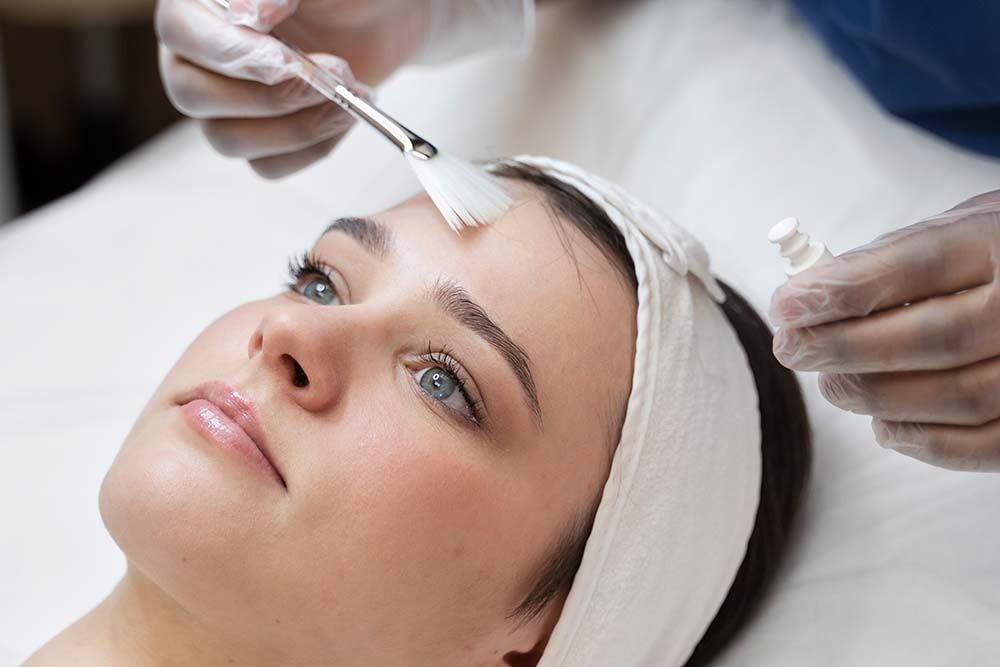
Chemical Peel Treatment – Types and Benefits: Everything You Need to Know Before You Book Your First Session
Somewhere between the ten-step skincare routines and the aggressive laser treatments that require significant downtime and recovery, there exists a category of skin treatment that has been quietly delivering impressive results for decades and continues to be one of the most clinically effective and versatile tools in dermatology. Chemical peels have been around long enough that most people have heard of them, but there is still a significant amount of confusion about what they actually involve, who they are for, what the different types do, and whether the idea of putting an acid on your face is as alarming as it sounds. The short answer to that last question is no when performed correctly by trained professionals, chemical peels are safe, effective, and capable of addressing a remarkably wide range of skin concerns that other treatments struggle to match. If you are someone in Delhi who has been dealing with pigmentation, acne, dull skin, uneven texture, early signs of ageing, or any combination of these and you want a treatment that actually gets into the skin and changes things rather than sitting on the surface understanding chemical peels properly is genuinely worth your time.
A chemical peel is a treatment in which a carefully selected chemical solution is applied to the skin for a specific period of time, causing controlled exfoliation of the skin layers. The depth of the exfoliation depends on the type of peel used the specific acid or combination of acids, the concentration, the pH, and the time of application all determine how deeply the peel works and consequently what it is able to treat. As the treated skin sheds over the following days, new, healthier skin is revealed underneath skin that is clearer, more evenly toned, smoother in texture, and in the case of deeper peels, significantly more youthful in appearance. The shedding process also stimulates the skin's own collagen production and cellular renewal mechanisms, which means the results continue improving after the peeling itself has finished. This combination of immediate exfoliation and triggered biological renewal is what makes chemical peels so consistently effective for such a wide range of concerns.
Understanding the different types of chemical peels is important because they are not all the same and they are not all appropriate for the same concerns or the same skin types. Broadly, chemical peels are categorised into three levels superficial, medium, and deep and within each category there are several specific peel formulations that work in different ways and address different concerns. Knowing what each does helps set realistic expectations and understand why the peel recommended for your skin may be different from what someone else received.
Superficial peels are the mildest category and work on the very outermost layer of the skin the epidermis. They typically use alpha-hydroxy acids like glycolic acid, lactic acid, or mandelic acid, or beta-hydroxy acids like salicylic acid, at lower concentrations. These peels cause minimal visible peeling sometimes no obvious shedding at all and are associated with very little downtime. They are excellent for brightening dull skin, improving skin texture, managing active acne, addressing mild pigmentation, and giving the skin a general refresh. Because they are gentle, they are suitable for most skin types including sensitive skin, and they can be performed regularly as part of an ongoing skin maintenance routine. For people in Delhi who want to address the dullness and mild unevenness that pollution and daily environmental exposure creates, regular superficial peels are one of the most practical and effective options available.
Medium depth peels go further they reach through the epidermis and into the upper dermis, which means they address deeper concerns that superficial peels cannot reach. Trichloroacetic acid, commonly known as TCA, is the most widely used ingredient in medium depth peels and it can be used at different concentrations depending on how deep the treatment needs to go. Medium depth peels are highly effective for moderate pigmentation including melasma and post-inflammatory hyperpigmentation, more established acne scarring, sun damage, fine lines, and the kind of textural irregularity that builds up over years of skin damage. There is more visible peeling and redness with medium depth peels typically five to seven days of skin shedding and a short social downtime is something patients should plan for. The results, however, are correspondingly more significant and longer-lasting than what superficial peels can produce for moderate to established skin concerns.
Deep peels reach the mid to deep dermis and produce the most dramatic results in terms of skin renewal, wrinkle reduction, and overall rejuvenation. Phenol is the most commonly used agent in deep peels and the treatment requires careful patient selection, medical supervision, and a recovery period of one to two weeks. Deep peels are reserved for significant photoageing, deep wrinkles, and severe skin damage in appropriate patients and are not the starting point for most people but the transformation they produce for the right candidates is genuinely remarkable. The doctors in Delhi who perform deep peels do so with full clinical preparation and careful aftercare protocols because this level of treatment requires experienced hands and proper medical oversight.
Beyond the depth categories, there are also specialised peel formulations designed for specific concerns. The Jessner peel combines salicylic acid, lactic acid, and resorcinol for a unique exfoliating action that is particularly effective for acne-prone and pigmented skin. The yellow peel uses retinol at a concentration that is far higher than any topical product can deliver and is highly effective for ageing skin, pigmentation, and overall skin quality improvement. The black peel or modified phenol peel works particularly well on darker skin tones and addresses pigmentation, acne scarring, and skin ageing in Indian skin with less risk of post-inflammatory hyperpigmentation than standard deeper peels. The enzyme peel uses natural enzymes for the gentlest possible exfoliation, suitable for the most reactive and sensitive skin types. Each of these formulations exists because different skins have different needs and the best results come from matching the peel type precisely to the patient's skin rather than using a generic approach.
For people in Delhi, chemical peel therapy is relevant and valuable in a way that is specific to this city's skin challenges. Delhi's UV intensity drives pigmentation and photoageing faster than most people realise the melanin irregularity that accumulates over years of sun exposure in this city creates a tone unevenness that peels address particularly well. The pollution creates a layer of oxidative damage in the outer skin layers that regular exfoliation through peels clears effectively, immediately improving the skin's clarity and brightness. Acne and post-acne marks are extremely common in Delhi partly because of the heat and humidity that increases sebum production and partly because of the stress and dietary patterns of this city's lifestyle — and both active acne and acne scarring are among the concerns that chemical peels address most effectively. The treatment in Delhi through chemical peels is therefore not a cosmetic indulgence but a clinically sensible and well-matched solution for the specific skin challenges that living in this city creates.
One thing that people in Delhi with darker skin tones sometimes worry about is whether chemical peels are safe for Indian skin. This is a legitimate consideration because darker skin has more active melanocytes that can respond to irritation by producing more pigmentation — a risk known as post-inflammatory hyperpigmentation. The answer is that chemical peels are absolutely suitable for Indian skin when performed correctly — meaning when the right peel type is chosen for the skin tone, the right concentration is used, the skin is properly prepared before treatment, and aftercare including strict sun protection is followed carefully afterward. This is why having experienced, qualified doctors in Delhi performing the peel matters so much — the clinical judgment involved in selecting the appropriate peel, preparing the skin, and managing the aftercare is what separates a safe, effective treatment from one that causes unwanted side effects.
The preparation and aftercare around a chemical peel are as important as the peel itself. Most skin types benefit from a preparation period of two to four weeks before a medium or deep peel — using specific topical ingredients that prepare the skin, reduce melanocyte reactivity, and ensure an even and predictable response to the peel solution. After the peel, sun avoidance and SPF protection are non-negotiable because freshly peeled skin is significantly more vulnerable to UV-induced pigmentation. The skin's progress through the peeling and healing stages is monitored by the clinic in Delhi to ensure the recovery is on track and any concerns are addressed promptly. This level of pre and post peel management is a significant part of what the doctors in Delhi bring to the treatment that at-home peel products simply cannot replicate.
At Dadu Medical Centre, treatment in Delhi for chemical peels begins only after a thorough evaluation and examination of the skin. Care starts with a detailed assessment of your skin type, tone, the specific concerns being addressed, any history of skin sensitivity or previous reactions, and the lifestyle and environmental factors that are contributing to your skin's current condition — so the peel type, concentration, and treatment plan are designed specifically for your skin rather than a generic protocol. Early evaluation and examination by the doctors in Delhi ensures that the preparation, the peel itself, and the aftercare are all handled with the clinical precision and individual care that produces the best possible results safely. Dadu Medical Centre follows this meticulous, evidence-based approach because chemical peel therapy that genuinely transforms the skin starts with genuinely understanding it first — and that is exactly what the clinic in Delhi is fully committed to delivering for every single patient who walks in looking for skin that looks and feels the way it should.
Comments (0)
Loading comments...